
Most people do not think much about radio installation until the equipment is already purchased and ready to be installed. That is usually when they realize there is more to it than mounting a radio, connecting a few wires, and hoping for the best.
A two-way radio system is only as reliable as the installation behind it. Poor antenna placement, weak grounding, low-quality cable, bad connectors, or rushed mounting can all lead to weak signal, dead spots, background noise, and unreliable communication when your team needs it most.
Whether you are installing mobile radios in work trucks, setting up a base station, or planning a larger communication system for your organization, proper installation makes a major difference. For businesses, schools, construction crews, utilities, transportation teams, and public safety operations across Washington, a clean installation can mean better coverage, clearer audio, and fewer problems in the field.
Why Proper Installation Matters
Radio power is important, but it is not the whole story. A higher-powered radio with a poor antenna setup can perform worse than a lower-powered radio that is installed correctly.
Your actual communication range depends heavily on the antenna, cable quality, grounding, connector condition, mounting location, and the environment around the radio. A clean installation helps the system transmit and receive more efficiently, while a poor installation can limit performance before the radio ever has a chance to do its job.
Taking the time to install the system correctly helps reduce service issues, improve day-to-day reliability, and protect your investment in the equipment.
Mobile Radio Installation Basics
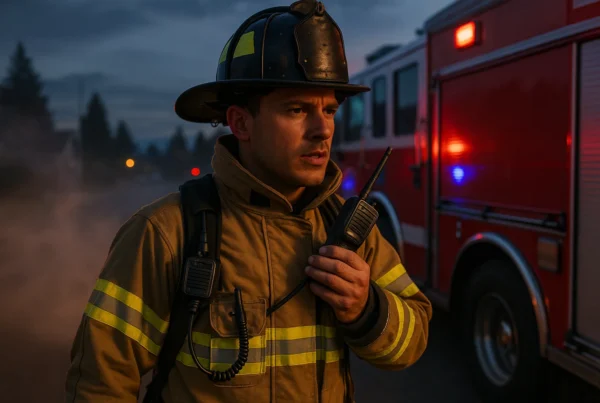
Mobile radios are commonly installed in work trucks, service vehicles, fleet vehicles, delivery vehicles, and emergency response units. These installations need to be practical, safe, and durable enough to handle daily use.
The goal is not only to make the radio work. The goal is to make sure it works consistently while the vehicle is moving, operating around buildings, traveling through rural areas, or working in challenging terrain.
Antenna Placement Is Critical
The antenna is one of the most important parts of the entire system. Even a high-quality radio will struggle if the antenna is installed in the wrong location.
Whenever possible, the antenna should be mounted on the roof of the vehicle. A roof-mounted antenna typically provides a better radiation pattern and helps the signal travel more evenly in all directions. It also gives the antenna more height, which can improve range.
Common antenna placement mistakes include mounting the antenna inside the vehicle, placing it too close to metal obstructions, installing it behind tool racks or equipment, or using weak temporary mounts for permanent work vehicles. These shortcuts can reduce signal strength and create frustrating communication issues.
If a roof mount is not possible, the antenna should still be placed as high and as clear as possible on the exterior of the vehicle.
Cable Routing and Cable Quality
Cable routing is another area where small mistakes can create big problems. Cable runs should be kept as short as practical, while still allowing for clean and safe routing.
Cables should be kept away from engine heat, sharp metal edges, moving parts, pedals, and areas where they may be pinched or worn down over time. In work vehicles, cable protection is especially important because the vehicle may be exposed to vibration, weather, tools, and heavy daily use.
Coaxial cable quality also matters. Low-quality cable can introduce signal loss, pick up electrical noise, and reduce overall performance. The cable should be properly rated for the radio system and frequency range being used.
Grounding Makes a Big Difference
Poor grounding is one of the most common causes of radio problems. It can lead to noise, weak transmission, inconsistent performance, and audio issues.
A mobile radio should have a solid ground connection to the vehicle frame or another proper grounding point. The connection should be made to clean bare metal, not painted or corroded surfaces. A weak ground may allow the radio to power on, but that does not mean the system is performing correctly.
Good grounding helps the radio operate more efficiently and can reduce interference from the vehicle’s electrical system.
Mounting the Radio Head and Main Unit
A mobile radio should be mounted where it is easy to use without creating a safety issue for the driver. The control head should be reachable and visible, but it should not block the driver’s view, interfere with airbags, or require the driver to look away from the road for too long.
Temporary mounts may work for short-term use, but permanent installations should use proper brackets and secure mounting points. The radio should not move around, rattle, or sit loose in the cab.
Ventilation also matters. Radios can generate heat during extended use, especially during repeated transmissions. The radio body should be mounted where it has enough airflow and is protected from moisture, debris, and unnecessary impact.
Fixed Station and Base Station Installation
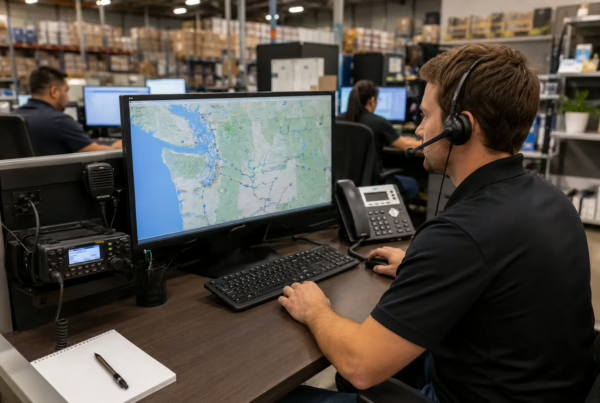
Base stations and fixed radio systems require a different installation approach. These systems are often used by offices, dispatch points, schools, facilities, farms, industrial sites, and emergency operations teams.
For fixed installations, antenna height is one of the biggest factors in coverage. A higher antenna can help overcome buildings, trees, terrain, and other obstacles. Even a moderate increase in height can make a noticeable difference in range.
Site selection should also account for the surrounding geography. In Washington, terrain, trees, hills, valleys, and urban structures can all affect radio coverage. A system that works well in one location may need a different antenna setup in another.
Tower and Antenna Considerations
Tower work and elevated antenna installations should be handled carefully. These installations may require planning for wind load, grounding, lightning protection, cable support, and long-term durability.
This is not the place to guess. A poorly planned tower or antenna installation can create safety risks, equipment damage, and ongoing service problems.
Antenna type also matters. Omni-directional antennas provide coverage in all directions, which is helpful for many general business and fleet applications. Directional antennas focus coverage in a specific direction, which can be useful for point-to-point communication or coverage along a road, route, facility, or service area.
Lightning Protection and Surge Protection
Any elevated antenna system should include proper lightning and surge protection. This is especially important for fixed stations, towers, repeaters, and building-mounted antennas.
A complete protection plan may include grounding rods, bonding, surge suppressors, and proper grounding between the antenna, cable, tower, and building ground system. Without protection, a lightning event or surge can damage radio equipment and create serious safety concerns.
Connectors and Weather Protection
Connectors are small, but they play a major role in signal quality. Poorly installed or mismatched connectors can cause signal loss, intermittent performance, and difficult-to-trace communication problems.
Outdoor connectors should be protected from moisture. Water intrusion, corrosion, and oxidation can slowly reduce performance until the system becomes unreliable. Weather sealing should be done carefully, especially on vehicle antennas, building antennas, and tower-mounted systems.
If a connector is not installed properly, the radio may appear to work at first, but problems can show up later as the vehicle vibrates, weather changes, or the system is used more heavily.
Testing the Installation
A radio installation should always be tested before it is considered complete. The system should be checked for transmit quality, receive quality, noise, range, and proper operation from realistic locations.
For mobile radios, testing should include different areas where the vehicle will normally operate. For base stations and larger systems, testing should include the expected coverage area, known weak spots, and any locations where communication is mission critical.
A clean test helps confirm that the radio, antenna, cable, grounding, and mounting are all working together properly.
Common Installation Problems
Weak transmit signal is often caused by poor antenna placement, bad cable, damaged connectors, or grounding issues. If the radio has power but does not reach as far as expected, the installation should be checked before assuming the radio itself is the problem.
Excessive noise or hum is commonly related to grounding or electrical interference. In vehicles, engine noise may point to grounding problems, cable routing issues, or poor shielding.
Dead spots can be caused by terrain, buildings, trees, or antenna location. Sometimes a small adjustment to antenna placement can improve coverage. In other cases, the system may need a repeater, different antenna setup, or wider area radio solution.
When to Use a Professional Installer
Some radio installations are simple. Others need a professional approach from the start.
If your organization depends on clear communication for safety, dispatch, field work, transportation, construction, or emergency response, professional installation is worth it. The right installation helps avoid repeat service calls, unreliable coverage, and wasted money on equipment that is not performing the way it should.
Whisler Communications provides professional radio installation, support, and system planning for businesses and organizations throughout Washington and the Pacific Northwest. From mobile radio installs to base stations, antennas, repeaters, and wide area communication systems, our team can help make sure your equipment is installed correctly and ready for real-world use.
Need Help With a Two-Way Radio Installation?
If your radios are not performing the way they should, or if you are planning a new installation, Whisler Communications can help you choose the right setup and install it properly.
Contact Whisler Communications today to discuss your radio installation, fleet communication needs, or commercial wireless communication system.