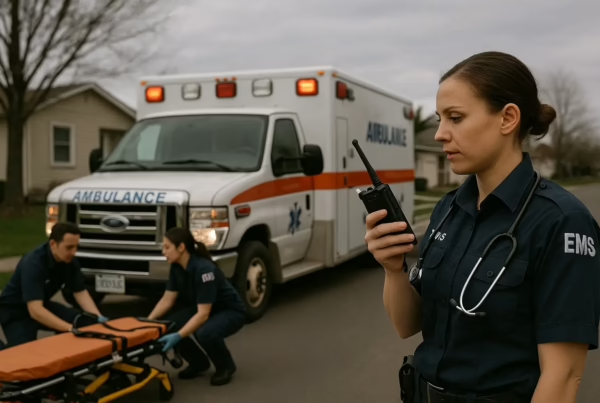

Two-way radios are essential communication tools for businesses across many industries, from construction sites and hospitals to fleet operations, security teams, and emergency response crews. When these devices are working properly, teams can communicate quickly, coordinate efficiently, and respond with confidence throughout the day.
Like any piece of professional equipment, two-way radios need proper care to perform reliably over time. The average two-way radio can last 5 to 10 years, but many organizations experience equipment failures much sooner because of poor maintenance, improper handling, battery neglect, or environmental damage. With the right maintenance routine in place, businesses can extend the life of their radios, reduce unexpected downtime, and protect their investment.
In this guide, we’ll cover how long two-way radios typically last, what causes early failure, and the maintenance practices that keep your equipment operating at its best.
How Long Do Two-Way Radios Last?
The lifespan of a two-way radio depends on how it is used, where it is used, and how well it is maintained. Radios used lightly in office-based environments may last 7 to 10 years, while radios used daily in field work often last 5 to 7 years. In heavier environments, such as construction, emergency response, manufacturing, or transportation, a radio may last closer to 3 to 5 years because of constant use and exposure to tougher conditions.
These estimates assume the radios receive standard maintenance. Without proper care, equipment can fail much sooner. With consistent cleaning, battery care, inspections, and professional service, some radios continue operating reliably for more than 10 years.
Factors That Affect Radio Lifespan
Several factors influence how long a two-way radio will last. Equipment quality is one of the most important. Premium models from trusted manufacturers such as Kenwood, Motorola, and Harris are built to handle demanding environments and usually include stronger casings, better antenna construction, more durable internal components, and improved resistance to daily wear.
Environmental conditions also play a major role. Radios exposed to extreme heat, cold, moisture, dust, or corrosive chemicals wear out faster than radios used in climate-controlled environments. A radio used in an office setting will usually last longer than one used on a construction site, in a warehouse, near water, or in a vehicle exposed to changing temperatures throughout the day.
Frequency of use and physical handling also matter. The more a radio is powered on and used for transmitting, the more strain is placed on the battery, circuitry, buttons, speaker, and microphone. Drops, impacts, and rough handling can damage internal components and weaken water resistance, even if the radio still turns on after the incident.
Battery care is another major factor. Poor charging habits, using the wrong charger, or failing to replace worn batteries can shorten the useful life of your equipment. Maintenance ties everything together. Regular cleaning, routine inspections, proper storage, and professional service can add years of reliable use.
Daily Two-Way Radio Maintenance
Daily maintenance should be simple enough for every radio user to follow. Before each shift, users should inspect the radio for cracks, dents, loose parts, or signs of wear. Even small damage can allow moisture or dust to enter the radio, which can lead to bigger problems over time. Visible damage should be reported as soon as possible so the radio can be checked before the issue becomes more serious.
The exterior of the radio should also be cleaned regularly. Dust, dirt, and debris can collect around buttons, speaker grilles, microphone openings, and charging contacts. A soft, slightly damp cloth is usually enough for daily cleaning, especially for radios used in dusty or outdoor environments. Users should avoid harsh chemicals unless the radio is designed for frequent disinfection, such as in healthcare settings.
The antenna connection should be checked to make sure it is secure. A loose antenna can cause poor transmission, weak reception, and long-term connector damage. Users should also pay attention to battery performance throughout the day. If a radio is not holding a charge, powering on normally, or transmitting consistently, it may need battery replacement or professional inspection.
The microphone area should receive extra attention because it is one of the most frequently used parts of the radio. The microphone grille and push-to-talk button can collect dirt, sweat, and moisture throughout a shift. Keeping this area clean helps maintain clear audio and reduces long-term wear.
Monthly Two-Way Radio Maintenance
Monthly maintenance is best handled by a supervisor, manager, or designated team member. This inspection should go beyond the quick daily check and include a deeper look at the radio’s condition. A dry brush, such as a clean soft-bristled toothbrush, can be used to gently clean around speaker grilles, antenna connectors, buttons, and charging ports. This helps prevent buildup that can affect performance.
Battery contacts should also be inspected each month. Corrosion around battery connectors can cause poor charging, weak performance, and unreliable operation. White, green, or blue oxidation may indicate corrosion. If corrosion is present, it should be cleaned carefully with an approved contact cleaner or handled by a qualified technician.
Monthly checks should include testing the main radio functions. This includes the power button, volume control, channel selector, push-to-talk button, transmission quality, and reception. Catching small issues early can prevent more serious failures later. If the radios are water-resistant or waterproof, rubber gaskets and seals should also be checked for cracking, hardening, or visible wear.
If your team uses backup batteries, they should be rotated into regular use. This prevents one battery from carrying all the wear while others sit unused for long periods. Battery rotation also helps maintain a more reliable inventory and reduces the chances of discovering a dead backup battery when it is needed most.
Quarterly Two-Way Radio Maintenance
Quarterly maintenance should involve a more technical inspection. A qualified technician can perform professional cleaning, check for corrosion, inspect internal components, and confirm that the radio is properly reassembled. This level of service helps identify hidden issues that may not be visible during daily or monthly checks.
Performance testing is also valuable on a quarterly basis, especially for organizations that depend on reliable communication every day. A service monitor or radio test meter can verify transmit power, frequency accuracy, modulation quality, and overall performance. These tests help detect problems before users begin noticing poor audio, weak reception, or inconsistent communication.
This is also a good time to replace worn parts. Microphones, speakers, antennas, push-to-talk buttons, and accessory connectors can wear out with heavy use. Replacing these components before they fail completely helps reduce downtime and keeps teams operating without interruption.
Some modern radios may also support firmware updates. These updates can improve performance, compatibility, security, or system functionality. Your service provider or manufacturer can confirm whether updates are available for your equipment.
Annual Two-Way Radio Maintenance
At least once a year, radios should receive professional inspection and testing. This annual service helps confirm that your equipment is safe, reliable, and performing as expected. For businesses that rely on radios across multiple teams or locations, annual maintenance also provides a clear opportunity to review the overall health of the radio fleet.
For compliance-critical industries, such as emergency response, healthcare, public safety, and FirstNet users, annual testing may be required to confirm that radios meet performance and regulatory standards. A qualified technician can also help determine whether it makes more sense to repair or replace older radios.
Annual service should include battery diagnostics as well. Professional battery testing can measure remaining capacity and help you plan replacements before batteries fail during active use. This is especially important for teams that use radios across long shifts, remote worksites, or mission-critical environments.
Two-Way Radio Battery Maintenance
Batteries are one of the most important parts of portable two-way radios. A failed battery does not always mean the radio itself has failed, but poor battery care can shorten the life of your entire radio system. Standard lithium-ion batteries typically last 2 to 3 years, advanced lithium batteries may last 3 to 5 years, and NiMH batteries often last 1 to 2 years depending on usage and care.
Approved chargers should always be used. Non-standard chargers can overcharge, undercharge, or deliver the wrong voltage, which can damage battery cells and reduce battery life. Batteries should also be recharged before they are fully drained. Letting a battery discharge completely places stress on the cells, so it is usually better to recharge when the battery reaches about 20 to 30 percent.
Batteries should not be left on older chargers for longer than recommended by the manufacturer. Modern smart chargers help prevent overcharging, but older chargers may not provide that protection. For batteries kept in storage, keep them in a dry, room-temperature environment and store them at a partial charge, usually around 40 to 60 percent.
Physical battery damage should never be ignored. Batteries with cracks, leaks, swelling, or damaged casings should be removed from service immediately. If a battery starts holding less charge than usual or requires more frequent charging, it should be replaced before it fails during a shift.
Common Two-Way Radio Problems and How to Prevent Them
Audio problems are among the most common radio issues. Muffled sound, weak audio, or no sound at all can be caused by dust blocking the speaker grille, water inside the speaker area, corroded contacts, damaged speaker components, or internal audio circuit issues. Daily exterior cleaning, careful handling, and prompt attention to water exposure can help prevent many of these problems.
Weak transmission or reception is another common issue. This can happen because of a loose or damaged antenna, corrosion on the antenna connector, a weak battery, radio calibration issues, or microphone and speaker circuit degradation. Monthly antenna inspections, proper battery care, and annual calibration testing can help keep communication clear and reliable.
Battery failure is often caused by age, charger problems, incorrect chargers, exposure to extreme heat, or poor charging habits. The best prevention is to use approved chargers, store batteries correctly, rotate batteries evenly, and replace them before they become unreliable.
Water damage can be especially serious. Even if a radio seems to work after getting wet, moisture inside the case can cause corrosion and future failure. Radios used in wet environments should have the appropriate IP rating, and seals should be inspected regularly. If a radio is exposed to water, it should be inspected by a professional as soon as possible.
Antenna problems can also affect communication quality. Bent, broken, loose, or corroded antennas can reduce range and clarity. Antenna issues are often inexpensive to fix if caught early, but internal antenna damage requires professional diagnosis.
Maintenance Strategies by Industry

Construction and field work environments expose radios to dust, impacts, moisture, and rough handling. These teams should prioritize daily dust cleaning, monthly seal inspections, protective cases, and service every 6 months. A strong drop and impact protection program can help reduce preventable equipment damage.
Hospitality and retail teams often use radios throughout long shifts in busy customer-facing environments. These businesses should focus on daily microphone cleaning, monthly battery rotation, speaker inspection, and clear charging protocols. Because these radios are often shared between employees, cleaning and battery accountability are especially important.
Emergency response and FirstNet users depend on radios for mission-critical communication. These organizations should perform daily pre-use inspections, weekly deep cleaning, quarterly professional service, and annual recertification when required. Spare equipment and detailed maintenance logs are essential in these environments.
Fleet and transportation teams often use vehicle-mounted equipment that faces vibration, temperature changes, and frequent use. Monthly connection checks, quarterly vehicle unit inspections, and annual professional service can help prevent communication failures. Vibration-damping mounts and heat protection can also help extend equipment life.
Healthcare environments require clean, reliable communication tools. Radios should be disinfected daily with approved cleaning products, and batteries should be checked regularly to ensure they can last through long shifts. Healthcare teams should also use radios and accessories designed to handle frequent cleaning and disinfecting.
Creating a Practical Radio Maintenance Schedule
A maintenance schedule helps keep your radio system reliable and makes accountability easier. Daily cleaning should be handled by users, while supervisors can manage monthly battery checks, antenna inspections, and feature testing. These simple routines help catch visible issues before they lead to major failures.
Quarterly tasks should include professional cleaning on sample units, performance testing, battery rotation, and charging equipment inspection. Annual tasks should include a comprehensive inspection of all radios, recertification testing when required, equipment replacement review, maintenance log updates, and warranty review.
As-needed maintenance should happen immediately when a radio experiences water damage, physical damage, battery failure, antenna problems, or audio issues. Keeping spare equipment available allows teams to continue working while damaged radios are being repaired.
When to Repair vs. Replace a Two-Way Radio
Repairing a radio can be cost-effective when the radio is less than 5 years old, the issue is limited to one component, and the repair cost is less than 40 percent of the replacement cost. Common repairs include battery replacement, antenna replacement, speaker repair, microphone repair, and connector cleaning.
Replacement may be the better option when a radio is 7 years old or older, has had multiple failures within the past year, or requires a repair that costs 50 percent or more of the replacement cost. Replacement may also make sense when downtime creates safety or operational risks, or when newer models offer better battery life, durability, coverage, or compatibility with current systems.
Why Modern Two-Way Radios Often Last Longer
Newer two-way radios are built with improved durability, better batteries, and stronger environmental protection. Modern lithium-ion batteries hold charges longer and tolerate more charge cycles than older battery types, which helps improve daily reliability and reduce the frequency of replacement.
Current IP67 and IP68-rated radios provide stronger protection against water and dust. Some models can survive temporary submersion, making them a better fit for field work, public safety, transportation, and outdoor environments. Newer radios may also use improved casing, antenna, and connector materials that resist corrosion and physical damage.
Improved internal cooling also helps prevent heat-related component failure. In addition, software and firmware updates can improve performance without requiring hardware replacement. If your organization is using radios that are more than 5 to 7 years old, modernization may reduce maintenance costs and improve long-term reliability.
Working with Professional Radio Service Providers
User-level maintenance is important, but professional service is still essential. A qualified service provider can identify problems that are not visible from the outside and help protect your communication system. Look for FCC-certified repair facilities and manufacturer-authorized service providers, since certified technicians have the tools and training needed to diagnose complex radio issues.
Authorized dealers and service centers can typically provide better warranty support and genuine replacement parts. Many providers also offer annual or multi-year maintenance agreements that include routine service, priority repairs, parts replacement, and predictable costs.
A strong service provider should document the work performed, parts replaced, test results, and recommendations. This reporting helps you track equipment health over time and make smarter repair or replacement decisions. The best service partners can also train your team on proper handling, charging, cleaning, and basic daily maintenance.
Radio Maintenance Protects Your Investment
Two-way radios are a significant investment, and their reliability affects safety, productivity, and daily operations. Fortunately, extending the life of your equipment does not require a complicated process. With consistent daily cleaning, monthly inspections, quarterly technical checks, and annual professional service, your organization can extend radio lifespan, reduce downtime, and avoid unnecessary replacement costs.
The key is consistency. Deferred maintenance often leads to bigger problems, while prioritized maintenance helps prevent failures before they disrupt your operation. Start with a simple maintenance plan that includes daily cleaning, monthly battery and antenna inspections, annual professional service, and a centralized repair log.
A well-maintained radio system performs better, lasts longer, and gives your team the confidence to communicate when it matters most.
Need Professional Radio Maintenance in Washington?
At Whisler Communications, we understand how important two-way radios are to your operation. Our certified technicians provide maintenance, repair, testing, and recertification services to keep your equipment operating at peak performance.
Whether you need emergency repairs, routine service, or a complete maintenance program, our team can help you extend the life of your radio investment. Contact Whisler Communications today for a free equipment assessment and a maintenance plan tailored to your industry, equipment, and usage needs.