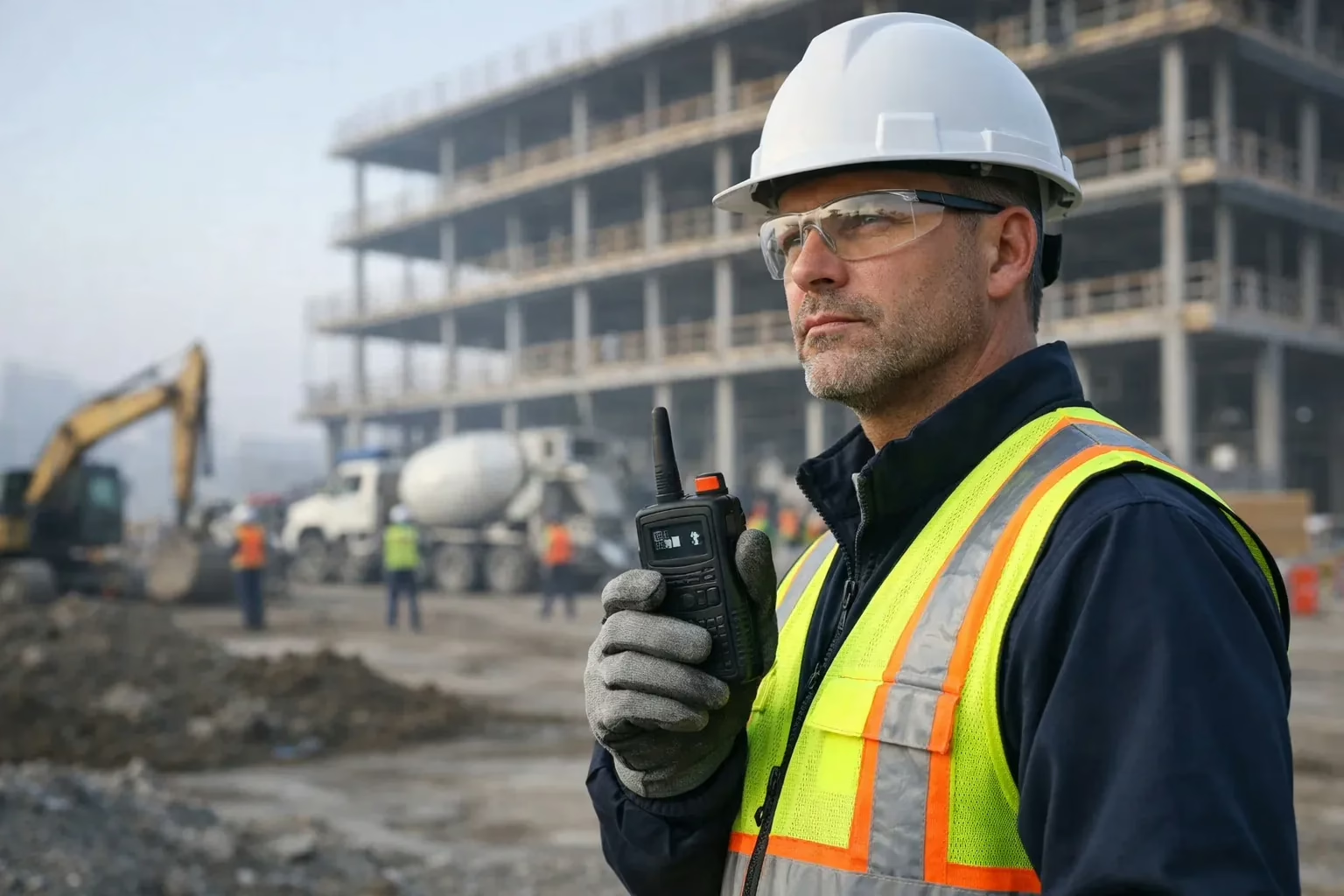
Construction sites are loud, fast moving, and often spread across large areas. Communication failures slow projects down, increase safety risks, and create costly mistakes.
In 2026, construction companies need more than basic walkie talkies. They need reliable digital two way radios with clear audio, controlled talk groups, GPS tracking, and emergency alert capabilities.
Here is what to look for and which radios stand out.
What Construction Companies Need from a Radio System
Not all two way radios are built for job site conditions. Construction environments demand:
• Clear audio in high noise areas
• Durable, weather resistant hardware
• Long battery life for full shifts
• Talk group control to reduce radio congestion
• GPS tracking for large or multi site projects
• Emergency alert features for worker safety
The goal is simple. Keep crews connected without overwhelming them with constant chatter.
Why Digital Radios Are the Standard in 2026
Analog radios still exist, but most construction companies are moving to digital systems for three reasons.
First, digital audio quality is significantly clearer. Background noise suppression helps supervisors hear instructions even near heavy equipment.
Second, digital radios allow structured talk groups. Crews hear only relevant communication instead of every transmission on the channel.
Third, digital systems support advanced features such as GPS tracking, emergency alerts, and system wide prioritization.
For growing construction companies, digital is no longer optional. It is the standard.
Recommended Radios for Construction Companies
Icom F3400D
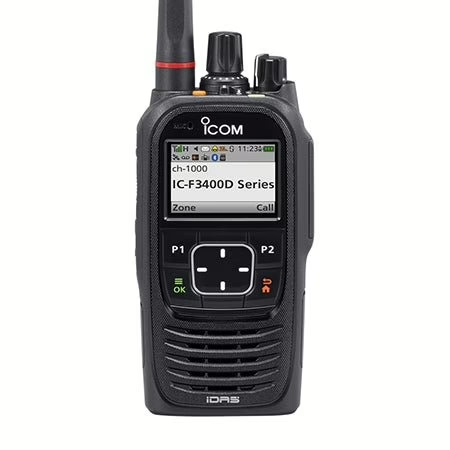
The Icom F3400D is a durable portable radio well suited for construction crews working in harsh conditions.
Key advantages include:
• Integrated GPS capability
• Dedicated emergency button
• Clear digital audio with noise reduction
• Compact but rugged design
• Flexible talk group configuration
For site supervisors and foremen, the F3400D provides strong control without unnecessary complexity.
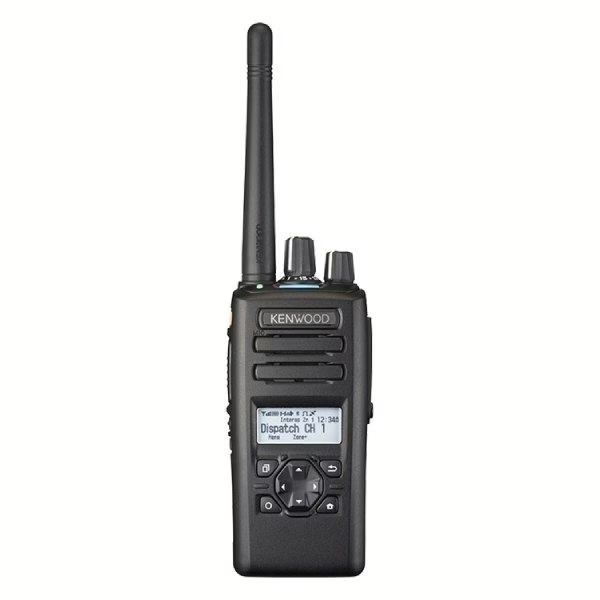
Kenwood NX-3220
The Kenwood NX-3220 is another strong choice for construction environments.
It offers:
• Built in GPS
• Lone worker and man down functionality
• Emergency alert with location reporting
• Mixed digital and analog compatibility
• Excellent performance in high noise settings
This model is particularly effective for mid sized to large crews where structured communication is critical.
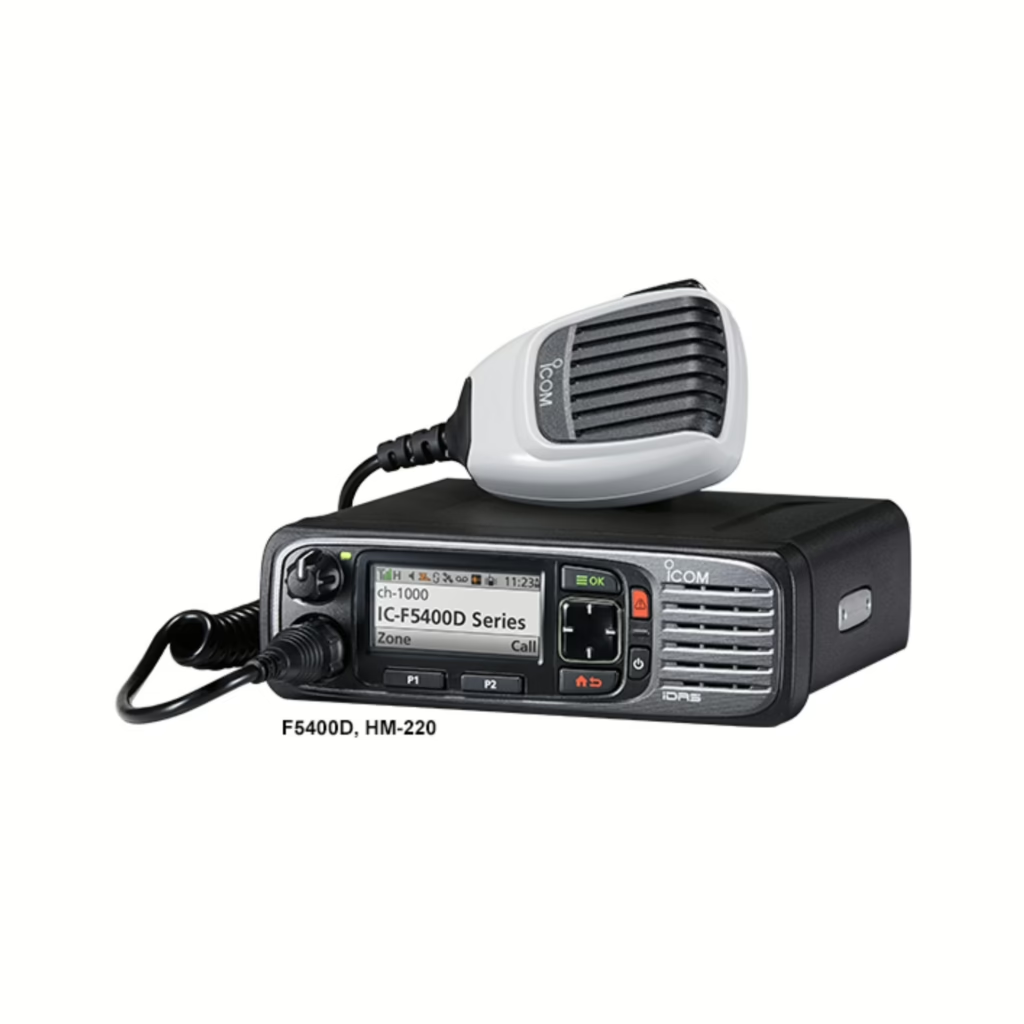
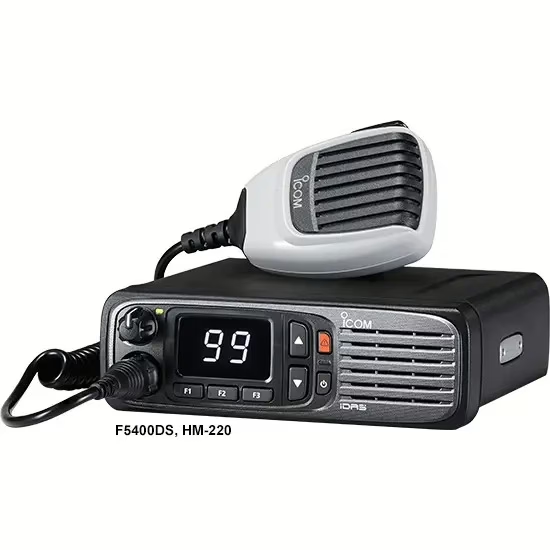
Icom F5400D and Kenwood NX-5700
For project managers and equipment operators working from trucks or heavy machinery, mobile radios provide stronger output power and vehicle integration.
These models support:
• Enhanced transmit power for wider coverage
• GPS tracking integration
• Emergency call prioritization
• Clear audio through external speaker systems
Mobile units paired with portables create a complete job site communication solution.
The Importance of GPS Tracking on Large Projects
As construction projects expand across multiple zones or counties, visibility becomes critical.
Integrated GPS allows dispatch or site management to:
• Monitor crew location across large sites
• Improve coordination between teams
• Increase accountability
• Respond quickly during emergencies
For companies managing multiple simultaneous projects, GPS enabled radios reduce confusion and improve oversight.
Emergency Alerts and Worker Safety
Construction sites present real risks. A properly configured emergency button can immediately alert supervisors and transmit the worker’s location.
Some digital radios also include lone worker and man down features. If a worker becomes unresponsive or immobile, the system can trigger an alert automatically.
These features support both safety compliance and real world risk reduction.
Why System Design Matters More Than the Model
The best radio will still create frustration if the system is poorly designed.
Talk groups must be structured correctly. Coverage must match the project footprint. Channels must be prioritized properly.
A private wide area trunking system can provide controlled call routing, reduced channel congestion, and consistent coverage across multiple job sites.
Whisler Communications works with construction companies to design communication systems around operational workflow, not just equipment specifications.
How to Choose the Right Radio System for Your Construction Company
Before selecting radios, evaluate:
• Job site size and terrain
• Number of active crews
• Vehicle integration needs
• Safety compliance requirements
• Future growth plans
The right solution should scale with your business, reduce communication noise, and strengthen safety protocols.
Final Recommendation
The best two way radios for construction companies in 2026 are digital, GPS capable, and built for structured communication.
Portable models such as the Icom F3400D and Kenwood NX-3220 provide durability and advanced features for field crews. Mobile units like the Icom F5400D and Kenwood NX-5700 support supervisors and equipment operators with stronger coverage and system integration.
More important than the hardware is proper system configuration.
If your construction company is evaluating an upgrade, a professionally designed digital radio system will improve safety, efficiency, and overall job site control.
If you would like guidance selecting the right solution, contact Whisler Communications for a customized recommendation.