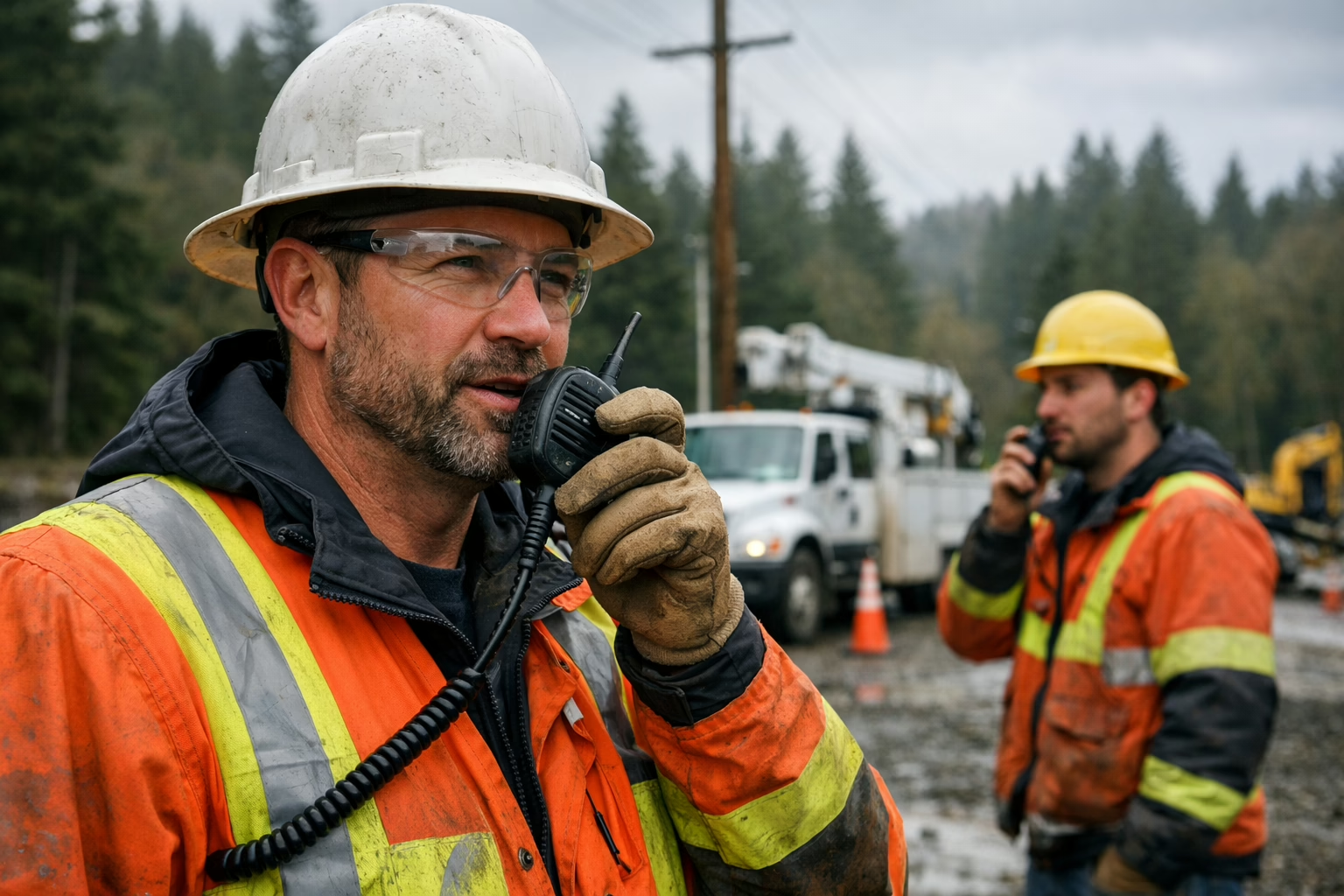
Clear radio communication is critical on active job sites across Olympia and Washington State. In industries such as construction, utilities, manufacturing, transportation, and public works, poor radio etiquette can lead to delays, confusion, and serious safety risks.
Even the most advanced two way radio system cannot perform effectively if users are not following basic communication standards. Proper radio communication and etiquette help teams work more efficiently, reduce channel congestion, and support a safer work environment.
Why Radio Etiquette Matters in Washington Work Environments
Washington job sites present unique challenges, including dense forests, changing weather, heavy equipment, and shared radio channels. These conditions increase the risk of miscommunication.
When radios are misused, common problems include:
• Missed emergency calls
• Blocked channels during critical operations
• Confusing or incomplete instructions
• Increased risk of workplace accidents
Establishing clear radio communication practices ensures that every transmission is intentional, concise, and understood the first time.
Core Principles of Proper Radio Communication
Think Before You Transmit
Before pressing the push to talk button, users should know exactly what they need to say. Unnecessary chatter ties up channels and delays important messages.
Clear communication starts with preparation.
Keep Messages Short and Direct
Radio communication is not a conversation. Messages should be brief, focused, and work related.
Long transmissions increase the chance of interruption and make it harder for others to access the channel when needed.
Identify Yourself and the Recipient
Each transmission should clearly identify who is calling and who the message is for.
Example:
Maintenance to Dispatch
Wait for acknowledgment before continuing. This avoids confusion, especially on shared or multi team channels.
Speak Clearly at a Normal Pace
Shouting into a radio often causes distortion. Speak calmly and clearly, especially in high noise environments common on Washington job sites.
Hold the microphone a few inches from your mouth and pause briefly after pressing the button before speaking.
Use Plain Language
Clear language improves safety. Avoid slang, codes, or unclear abbreviations unless your organization has standardized communication procedures.
Plain language ensures that instructions are understood by all users, including new employees and contractors.
How Radio Etiquette Supports Workplace Safety
Proper radio etiquette plays a direct role in workplace safety and OSHA compliance.
On busy job sites, blocked channels or unclear transmissions can delay emergency response. Consistent communication standards help ensure emergency calls are heard immediately and acted on without confusion.
For organizations using emergency buttons, Lone Worker, or Man Down features, disciplined radio use ensures alerts receive priority and are not missed.
Common Radio Etiquette Mistakes to Avoid
Across Olympia and Washington State, we regularly see the same habits reduce radio effectiveness:
• Talking over other users
• Holding the transmit button too long
• Failing to acknowledge messages
• Using radios for non work related conversation
• Ignoring assigned channels
Correcting these behaviors often improves communication clarity without requiring any equipment changes.
Training and Consistency Matter
Radio etiquette should be part of onboarding and ongoing safety training. Clear expectations, simple guidelines, and regular refreshers help teams stay consistent.
Posting radio communication rules at dispatch centers or reviewing them during safety meetings reinforces best practices and keeps standards top of mind.
At Whisler Communications, we help organizations across Olympia and Washington State not only install and maintain radio systems, but also ensure teams know how to use them effectively in real world conditions.
Final Thoughts
Reliable communication is about more than signal strength. Day to day radio use has a direct impact on safety, efficiency, and compliance.
By establishing clear radio communication and etiquette standards, organizations reduce confusion, improve response times, and create safer job sites across Washington State.
If your team is experiencing communication issues or needs guidance on proper radio use, contact Whisler Communications. We help organizations across Olympia and Washington improve radio performance through professional system design, training support, and ongoing maintenance.